The Bitcoin Halving Impact 2024: What to Expect
With Bitcoin nearing its
The Concept of Bitcoin Halving
Bitcoin halving occurs approximately every four years or after 210,000 blocks are mined. During this event, the reward miners receive for adding a block to the blockchain is halved. This mechanism is integral to Bitcoin’s monetary policy, controlling supply to combat inflation.
For instance, back in 2016, the reward dropped from 25 BTC to 12.5 BTC, and again in 2020, it reduced from 12.5 BTC to 6.25 BTC. The upcoming event in 2024 will see the reward decline even further to just 3.125 BTC per block.
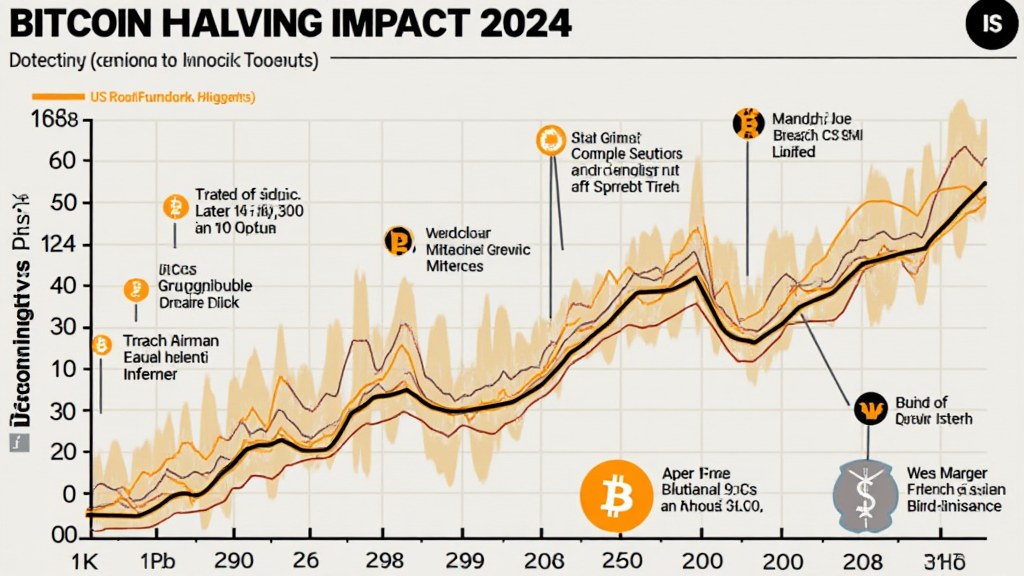
Historical Context: Price Movements
Historically, halving events have led to surges in Bitcoin’s price:
- After the 2012 halving, Bitcoin’s price skyrocketed from around $11 to over $1,100 in a year.
- Following the 2016 halving, we saw a move from $450 to nearly $20,000 by the end of 2017.
- The 2020 halving saw Bitcoin’s price grow from around $8,800 to an all-time high of $69,000 by November 2021.
These trends highlight the speculative nature of the market surrounding halving events, which can lead to both investment opportunities and risks.
The Anticipated Impact on Bitcoin Prices Post-Halving
Analysts predict that the 2024 halving might yield similar lifting effects on Bitcoin’s value, though various factors could influence the extent of that rise:
- Increased demand from institutional investors.
- Adoption in emerging markets like Vietnam, which has seen a user growth rate of over 30% year-on-year in the crypto sector.
- Overall economic conditions, including inflation and stock market performance.
As Vietnam’s market continues to mature, it represents a promising landscape for growth amid global economic fluctuations, further indicating the importance of local engagement in crypto developments.
Mining Dynamics and Sustainability
The reduction in Bitcoin mining rewards raises questions about mining operations’ sustainability. With rewards halving:
- Profitability may decrease for miners, which could lead to some exiting the market.
- Mining pools might consolidate, potentially affecting decentralization.
- Operators may need to invest in more efficient hardware and renewable energy sources to maintain profitability.
This shift emphasizes the need for constant innovation within the mining community, paralleling the industry’s broader advances toward sustainability and efficiency.
Potential Outcomes for Investors
Investors need to recalibrate their strategies in anticipation of the upcoming halving. Key considerations include:
- Monitoring price trends and volume leading up to and following the halving event.
- Exploring altcoins with potential beyond Bitcoin, including trends like the 2025 most promising altcoins list.
- Diversifying portfolios to manage risks associated with volatility.
In the Vietnamese market, informed investment choices can lead to substantial returns while navigating regulatory frameworks and understanding the local technological landscape.
Long-Term Outlook for Bitcoin Post-Halving
While historical trends provide insight, the cryptocurrency market’s rapidly evolving dynamics complicate predictions. Factors such as:
- Technological advancements, including the implementation of the Lightning Network, could enhance Bitcoin’s usability.
- Legislative changes in key markets may either bolster investor confidence or induce caution.
As we approach the 2024 halving, players in the crypto space must weigh these elements and adapt to create a conducive environment for investments.
Conclusion: Preparing for the 2024 Shift
As we gear up for the
In conclusion, the upcoming Bitcoin halving represents a pivotal moment in the cryptocurrency world. By analyzing past trends and current demands, particularly in markets like Vietnam, stakeholders can navigate the turbulence that may arise. Just remember, it’s crucial to keep an eye on both local and global developments, as they could dictate the future of Bitcoin and the broader crypto economy.
For more insights and strategic guidance, visit cryptostarterlab.