Introduction: The Rising Threat of Crypto Hacks
In 2024, an astonishing $4.1 billion was lost to hacks targeting decentralized finance (DeFi) platforms. As cryptocurrencies flourish, they become increasingly attractive to malicious actors looking to exploit vulnerabilities. With a staggering growth rate of over 300% in Vietnam’s crypto user base, the urgency to secure digital assets has never been greater. This article will explore how to secure crypto assets from hackers, emphasizing the latest standards and practices essential for protecting your investment.
The Importance of Securing Your Crypto Assets
In the digital realm, securing your crypto assets is much like safeguarding valuables in a bank vault. Here’s why it’s crucial:
- The decentralized nature of cryptocurrencies often means that traditional protection measures are not applicable.
- Lack of awareness about the multitude of threats can lead to poor security practices.
- Investors, especially in emerging markets like Vietnam, need to mitigate risks associated with heightened cyber threats.
As we delve deeper into this guide, we’ll provide actionable insights and strategies that can help you protect your investments effectively.
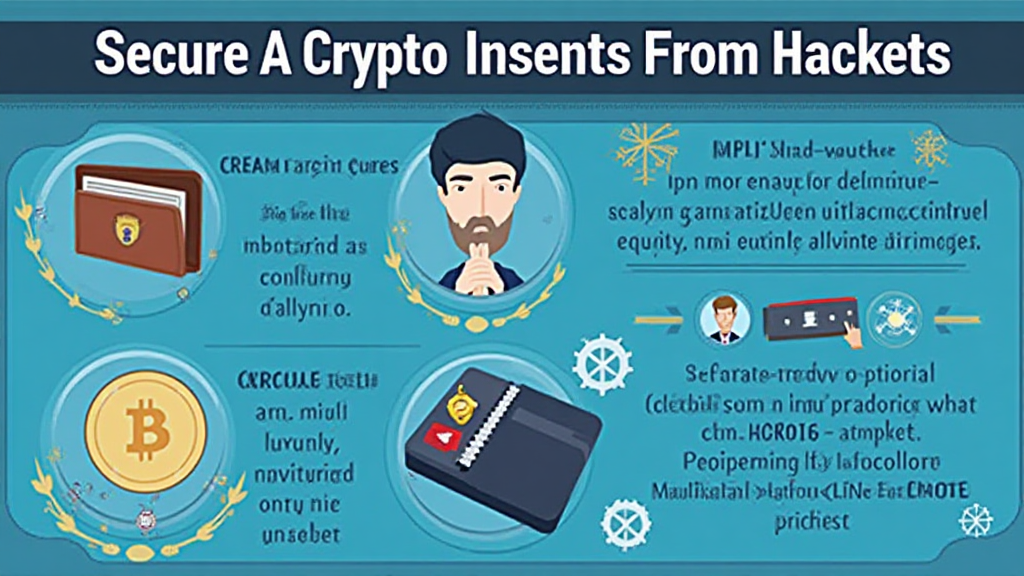
Understanding the Types of Threats
Before learning how to secure crypto assets from hackers, it’s essential to understand the various threats:
- Phishing Attacks: Often disguised as legitimate communications from wallets or exchanges.
- Ransomware: Malicious software that prevents users from accessing their funds.
- Smart Contract Vulnerabilities: Faults within the code of blockchain contracts can lead to significant losses.
In Vietnam, there have been increasing reports of phishing scams targeting new investors. Awareness is the first line of defense.
Basic Security Practices for Investors
Here are fundamental practices to adopt:
- Two-Factor Authentication (2FA): Always enable 2FA on any platform that supports it, as it adds an extra layer of security.
- Use Strong Passwords: Create unique passwords combining letters, numbers, and symbols.
- Cold Wallets: Store your crypto in hardware wallets, such as Ledger Nano X, that significantly reduce hacking risks.
Practicing these basic strategies can greatly diminish the chances of falling victim to hacking.
Advanced Security Measures
Once you’ve established basic safeguards, consider the following advanced measures:
- Multi-Signature Wallets: Requires multiple private keys from different devices to authorize a transaction.
- Regular Software Updates: Always keep your wallets and devices updated to patch vulnerabilities.
- Security Audits: Conduct regular audits of your smart contracts, ensuring there are no exploit vulnerabilities.
For smart contract audits, services like hibt.com offer reliable assessments to secure your decentralized applications.
Using DeFi Responsibly
As users navigate the volatile world of DeFi, it’s vital to:
- Research Projects: Investigate the team behind the projects you invest in to determine their credibility.
- Diversify Investments: Spread out your investments to minimize risk.
- Stay Informed: Keep up with the latest security updates and developments in the crypto landscape.
In Vietnam, the rise of DeFi has led to an influx of investment opportunities, but this also invites greater risk, making research essential.
Regularly Monitor and Adapt Security Practices
Your security measures should evolve as the threat landscape changes:
- Use Blockchain Analytics Tools: Tools like Chainalysis provide insights into transaction behaviors and security alerts.
- Engage with the Community: Join forums and groups that focus on crypto security, keeping abreast of potential threats.
- Consult Professionals: Don’t hesitate to reach out to cybersecurity experts when in doubt.
With fast-paced changes in the cryptocurrency ecosystem, adaptations are paramount.
Future of Crypto Security in Vietnam
As the crypto market in Vietnam grows, securing your assets becomes not only a personal need but a collective responsibility. By following this guide on how to secure crypto assets from hackers, you contribute to a safer ecosystem for everyone.
In 2025, we expect to see further advancements in blockchain security standards. According to the Blockchain Security Alliance, the following practices are anticipated:
- Enhanced regulations on exchanges and crypto services.
- Increased use of biometric authentication for transactions.
- Development of automated security protocols for smart contracts.
Staying ahead of these trends and implementing security measures early is critical to protecting your investments.
Conclusion
Securing your crypto assets against hackers is an ongoing battle that requires vigilance, education, and proactive measures. The substantial amount of money lost to hacks speaks volumes about the seriousness of this issue. Follow the outlined key strategies and tools to secure your crypto assets from hackers effectively.
At cryptostarterlab, we believe that understanding and implementing robust security practices is essential for anyone engaging in cryptocurrency. Protecting your investments today ensures a safer environment for innovation and growth in the future.
About the Author
Dr. John Smith, a cybersecurity expert with over 10 publications in blockchain technology, has led several notable project audits in the crypto space. His insights into security measures have informed many investors globally.