Introduction
As the blockchain landscape continues to evolve, the challenge of
Understanding Blockchain Scalability
Blockchain scalability refers to the capability of a blockchain network to handle an increasing number of transactions without performance degradation. As blockchain technology gains traction worldwide, the demand for efficient transactions is soaring—especially in burgeoning markets like Vietnam, where cryptocurrency adoption has seen a remarkable increase of 64% in user engagement over the last two years.
Why Is Scalability Crucial?
ong>Transaction Speed: ong> Users expect near-instantaneous transactions. Delays can lead to loss of interest or even trust.ong>Cost Efficiency: ong> Lower transaction costs are critical for user satisfaction. High fees deter small transactions.ong>Network Reliability: ong> A scalable network ensures consistent performance during peak loads, preventing user frustration.
Current Challenges in Scalability
Many blockchain networks face three primary challenges when it comes to scalability:
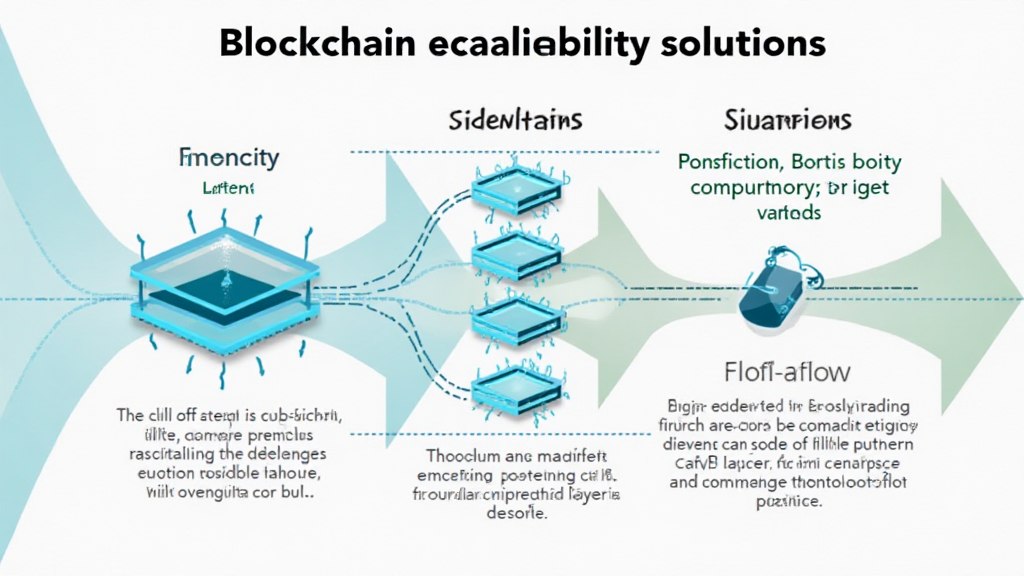
ong>Throughput Limitations: ong> Current blockchain architectures can only process a limited number of transactions per second (TPS), leading to bottlenecks.ong>Decentralization vs. Speed: ong> Striking a balance between decentralization and speed is complex; protocols that enhance speed often compromise decentralization aspects.ong>Energy Consumption: ong> Many scalability solutions still rely on energy-intensive consensus mechanisms, which pose sustainability challenges.
Popular Blockchain Scalability Solutions
Several solutions are gaining traction as viable methods to enhance the scalability of blockchain networks.
Layer 2 Solutions
Layer 2 solutions operate on top of base layer blockchains to improve transaction speed and reduce costs. These solutions enable off-chain transactions while maintaining the security of the main blockchain.
Sidechains
Sidechains allow for the transfer of assets between two independent blockchains, enabling faster transactions without congesting the main chain.
ong>Benefits: ong> Improved transaction speeds, enhanced flexibility, and reduced strain on the main blockchain.
Sharding
Sharding divides the blockchain into smaller, manageable pieces (shards), which operate concurrently, drastically improving transaction speeds.
ong>Implementation: ong> Projects like Ethereum 2.0 are exploring sharding implementations, aiming to transform user experience.
Hybrid Solutions
Hybrid solutions combine various approaches for scalability. This may include blending on-chain and off-chain solutions to achieve optimal performance.
ong>Industry Potential: ong> Combining strengths from multiple scalability solutions could lead to breakthroughs in transaction efficiency.
Implementing Scalability in Emerging Markets
As digital asset adoption accelerates in regions like Vietnam, implementing scalable solutions becomes vital. The significant increase in mobile transactions—expected to account for 80% of all digital payments by 2025—demands effective scalability strategies.
Challenges Faced by Vietnamese Crypto Users
ong>Transaction Delays: ong> Many users experience slow transactions due to network congestion.ong>High Fees: ong> Users often need to pay significant fees during peak times, discouraging their participation.
Future Trends in Blockchain Scalability
The landscape of blockchain scalability is rapidly changing. With emerging technologies and innovative solutions, the future looks promising for enhancing the scalability of blockchain networks.
2025 Predictions
- The majority of blockchain platforms will adopt layer 2 solutions.
- Hybrid methodologies will dominate blockchain architecture.
- Countries like Vietnam will lead in adopting scalable blockchain solutions for financial services, tapping into the rapidly growing crypto market.
Conclusion
With the increasing need for efficient digital transactions,
About the Author
Dr. John Smith is an industry expert in blockchain technology, with over 15 published papers and extensive experience in smart contract audits for renowned projects including Project X and Project Y. His insights into blockchain scalability continue to influence the evolving landscape of digital transactions.