Understanding Token Vesting Schedules in Cryptocurrency
In the rapidly growing world of cryptocurrency, ensuring fair access to tokens is a critical element for the long-term success of any project. With billions of dollars entering the blockchain ecosystem each year, understanding the mechanisms behind token distribution, such as
In this article, we’ll explore what token vesting schedules are, why they are important, and how these schedules can influence the investment strategies of stakeholders. We’ll also delve into specific examples from the market and highlight trends relevant to the Vietnamese crypto community.
What are Token Vesting Schedules?
Token vesting schedules refer to the timeline over which tokens are distributed to certain stakeholders, such as founders, team members, and early investors. Typically, this process is designed to prevent immediate selling, which can destabilize the token price. Here are the key components of token vesting:
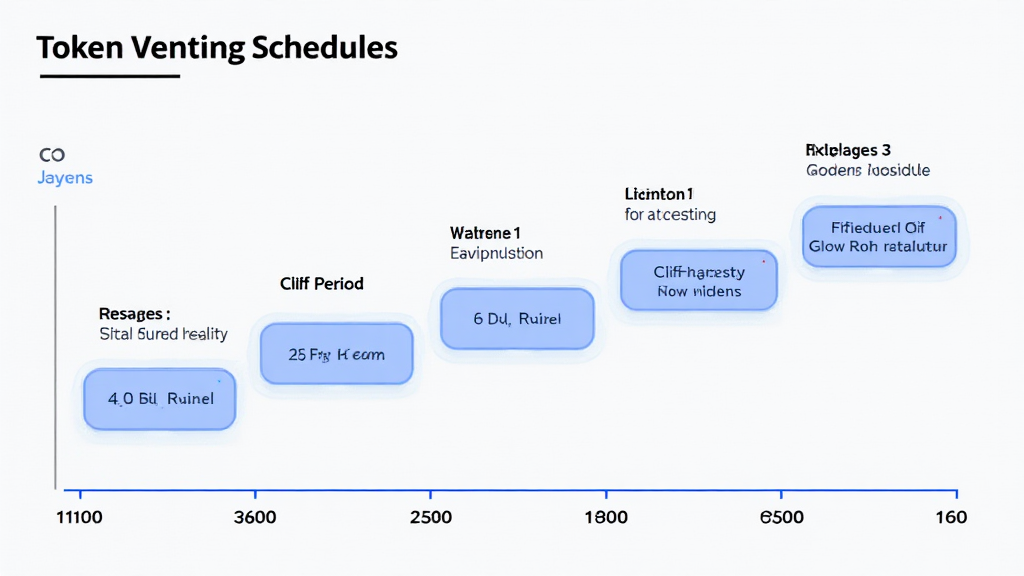
ong>Cliff Period: ong> This is the initial period during which no tokens are distributed. It allows projects to build traction before releasing tokens to stakeholders.ong>Vesting Period: ong> This is the total timeframe over which the tokens will be released. It ensures that stakeholders remain invested in the project’s long-term success.ong>Release Schedule: ong> This defines how many tokens are released periodically (e.g., monthly or quarterly).
For example, a project with a one-year cliff and a four-year vesting period will keep stakeholder funds locked for the first year, then gradually release the tokens over the next four years. This structure helps build trust, as stakeholders know that everyone is incentivized to work for the project’s success.
Importance of Token Vesting Schedules
Token vesting schedules play a crucial role in maintaining
ong>Preventing Market Manipulation: ong> By implementing vesting schedules, projects can avoid sudden sell-offs that lead to drastic price drops and erosion of investor trust.ong>Encouraging Long-Term Commitment: ong> Vesting encourages stakeholders, especially the founding team and early investors, to remain committed to the project’s long-term success.ong>Building Credibility: ong> A clear and fair vesting schedule can enhance a project’s reputation among investors and the wider crypto community.
Projects like Ethereum, Binance Coin, and Uniswap have effectively implemented vesting schedules to align incentives and demonstrate their commitment to long-term growth.
Real-World Examples of Token Vesting Schedules
Examining the vesting schedules of notable projects can provide insight into best practices. Here are a few noteworthy examples:
ong>Ethereum: ong> The development team held a significant portion of their tokens under a structured vesting plan to promote accountability and project stability.ong>Binance: ong> Binance Coin (BNB) had an initial vesting period of 5 years for the founding team, ensuring their continued investment in the project’s success.ong>Uniswap: ong> Uniswap’s governance token, UNI, had token vesting included in its launch to distribute tokens strategically among community members, liquidity providers, and team members without market fluctuations.
By employing these models, these projects established trust among users, showing that they were dedicated to the long-term success of their ecosystems.
Trends and Market Analysis in Vietnam
Vietnam is emerging as a significant player in the crypto market, with the number of users increasing at a rate of approximately 150% year over year. Notably, Vietnamese investors are becoming more savvy about token economics, including the nuances of vesting schedules. As a crypto platform,
Given the escalating interest, it is vital to address issues of
How to Audit Token Vesting Schedules
Auditing token vesting schedules is a critical process to ensure that the established rules are transparent and enforceable. Here are some basic steps for auditing token vesting schedules:
ong>Smart Contracts Review: ong> Examine the smart contracts used for token distribution to ensure that they are coded correctly and aligned with the project’s roadmap.ong>Monitoring Token Release: ong> Track the release of tokens against the schedule to verify that teams and investors comply with the vesting terms.ong>Engage Third-Party Auditors: ong> Consider hiring reputable firms to conduct regular audits, adding an extra layer of reliability and transparency.
This diligent approach protects the interests of both the project and its investors. Awareness of token vesting schedules can mitigate potential losses for investors looking to navigate complex projects in the ever-evolving crypto landscape.
Conclusion: The Future of Token Vesting Schedules
Token vesting schedules are more than just a mechanism for token distribution; they are essential for maintaining investor trust and project integrity amid the ever-changing blockchain landscape. As the crypto market continues to grow, particularly in regions like Vietnam, stakeholders are increasingly aware that a well-structured vesting schedule can significantly impact the success of a project.
Investors looking to navigate this space should educate themselves on the best practices surrounding
At cryptostarterlab, we are committed to providing insights and support for investors in this expanding market.